


Most people who want to age well focus on staying active, exercise and weight training. While that’s absolutely the right move, there is another piece of the puzzle that is often overlooked, and that is the recovery.
Recovery is what allows your body to actually benefit from being active.
As a physical therapist, I have the pleasure of treating patients across a multitude of different spectrums ranging from the business world of entry-level to corporate executives, patients who desire return to walking programs to fitness and gym enthusiasts, weekend warriors and amateur athletes to professional and olympic athletes.
These patients are consistent, they are motivated, and they are doing all the right workouts, but they’re also dealing with nagging stiffness, complaining of fatigue, or that one spot that “just won’t loosen up.” They have the mindset that if they do more, they will feel better.
Here’s the truth, sometimes it’s not that you need to do more. Sometimes you need to recover better.
What Tom Brady Got Right About Recovery
Now, I am a huge Michigan fan and for that reason, my attention is always pointed towards the G.O.A.T. Tom Brady. Whether you love him, or hate him, Tom didn’t play in the NFL into his mid-40s by accident.
A large part of his longevity in the NFL came from how seriously he took recovery. His approach, commonly known as “TB12” emphasizes hydration, sleep, mobility, and consistent routines. While you probably don’t need to adopt his entire lifestyle (though it would be nice) the principle is simple and backed by research.
Tom treats recovery as part of his training, it is not something that is optional.
What Actually Happens to Your Body When You Exercise?
In order to know how to recover well, let’s take a look at what actually happens when you train and exercise.
When you exercise, especially during strength training or higher-intensity cardio, your body goes into a controlled stress state. This is a good thing, it’s what drives improvement. But a few important things are happening behind the scenes.
1. Energy Use and “Lactic Acid” (That Burn You Feel)
During harder efforts, your body produces energy quickly through a process called anaerobic metabolism. This leads to the production of lactate, often called lactic acid, which contributes to that familiar burning sensation. “Feel the burn!”
That burn is not damage and it’s only temporary.
Our bodies are actually very efficient at clearing lactate, often within an hour after exercise. So if you’ve been blaming yesterday’s soreness on “lactic acid buildup,” you can let that one go.
Consider it officially retired, like Tom Brady. Well…you never know.
2. Muscle Fiber Stress and Repair
Exercise, especially strength training, creates tiny amounts of stress to your muscle fibers. Not injuring them, but a controlled micro-stress.
Next your body responds through muscle hypertrophy, which is a process of repairing and rebuilding those fibers to be stronger and more resilient.
This is why you don’t get stronger during the workout and instead get stronger after (when your body’s had time to repair).
If recovery is rushed or incomplete, that repair process doesn’t fully happen and progress slows. Eventually, it likely means plateau.
3. The DOMS (Why You Feel Sore)
That stiffness you feel a day or two later is called Delayed Onset Muscle Soreness (DOMS).
It’s a normal response to new exercises, increased intensity, and eccentric loading of your muscles (like lowering weights or downhill running).
It doesn’t mean you did something wrong, it just means your body is adapting. That said, excessive soreness can be a sign that your recovery or progression needs an adjustment.
4. Your Nervous System Gets Fatigued
It’s not just muscles doing the work, your nervous system is coordinating everything.
Fatigue can affect timing, coordination, and movement quality, which ties into motor control. When this system is tired, your body may compensate in subtle ways that increase stress on joints or tissues.
This is one reason why workouts can feel “off” some days, even if you’re technically strong enough.
Why Recovery Matters More As You Age
All of these processes, (energy use, muscle repair, nervous system recovery) still happen as you age. They just take a bit more time and consistency.
Our bodies still adapt through tissue adaptation, but it is less forgiving if recovery is skipped.
As a result, you may feel soreness longer. Training back-to-back hard days may feel harder and small issues will linger if they are ignored.
That doesn’t mean do less. Rather it means being more strategic so you can keep doing what you enjoy.
What the Research (and Real Life) Shows
We consistently see that people who:
- progress their activity gradually
- incorporate strength training
- prioritize recovery time
…have better long-term outcomes, less pain, and greater consistency.
On the flip side, skipping recovery often leads to overload issues like tendinopathy or joint irritation.
What Good Recovery Actually Looks Like
Here is the good news, you don’t need a pro athlete’s schedule to recover well.
Good recovery is less about doing everything and more about doing the right things consistently.
Workouts are work. They are stressful and you are in a “work mode.” Recovery helps your body shift out of “work mode” and into a “rebuild mode.”
A brief cooldown to lower your heart rate, some light movement, and a few targeted mobility exercises and some static stretching (up to 2 minutes per muscle) go a long way.
On non-training days, staying lightly active, like walking, can actually speed up recovery rather than slow it down.
Strength training a few times per week also plays a major role. Stronger muscles support your joints and improve how your body handles stress. The stronger and more adaptable your muscles and joints are, the easier it is to recover.
Cryotherapy and Infrared Light Therapies
On Cryotherapy
Research into cryotherapy has proven that whole body cryotherapy is beneficial in reducing the DOMS effect and decreases inflammatory markers, such as creatine kinase.
The exposure to extreme cold temperatures (less than -145 degrees Fahrenheit) for ~2-3 minutes speeds up muscle recovery through a process of vasoconstriction while exposed to the temperature and then rapid vasodilation to speed up blood flow to muscles and peripheral tissues.
There are also hormonal effects observed, including the increase of testosterone (good for building muscle) and decreasing levels of cortisol. Cryotherapy has also demonstrated that it helps with muscle fatigue, improving your performance.
On Infrared Therapy
Infrared therapy works by penetrating deeply into the tissues to stimulate cellular metabolism and produce ATP (the fuel our muscles and brain use to function) and increases blood flow circulation.
This is all beneficial in enhancing tissue repair, improving mobility and reducing tissue stress, removing toxins and damaged cells from our tissues ultimately allowing our body to function more efficiently.
Disclaimer: There are some risks associated with these therapies so consulting with a physician prior to using these therapies is highly recommended.
The Sleep, Diet, Hormone Regulation Flywheel
It’s a no-brainer that the amount of sleep you get, your diet and your hormones play a huge part in how well your body performs and recovers. They affect each other circularly.
Additionally, there is a large focus on our guts, along with the bacteria within it and its relationship with sending signals and messages to the brain, basically controlling it in a sense.
A good phrase is “if you’re not right in the gut, you won’t be right in the head.”
And don’t forget, as we age, our hormone levels change. So if you are constantly feeling “off,” try adjusting your sleep and eating habits.
It may not be a bad idea to have some lab work performed to address vitamin and nutrition deficits or hormone level testing. Again, it is always a good idea to consult with a physician first.
Regenerative Performance Medicine
Speaking of physicians, there have been some incredible advances in the medical field and we are only starting to scratch the surface.
If you are someone that feels limited in your ability to perform due to chronic pain or have that nagging knee injury from high school that pops-up at the most inconvenient time, there is hope! And it is in Regenerative Performance Medicine!
Physicians like Dr. Ched Garten at Paragon Sports Medicine in Atlanta, GA provide individualized tailored approaches to help patients optimize their performance. Dr. Garten uses innovative and non-invasive procedures to regenerate damaged tissues, promote tissue healing, and maximize the patient’s recovery. He also understands that performance is not just physical, it is also a psychological layer and offers mental coaching services in addition to aesthetic treatments; all of which help patients to have a stronger belief system, and feel good about how they look so that they can perform at their best.
Where Does Physical Therapy Come In
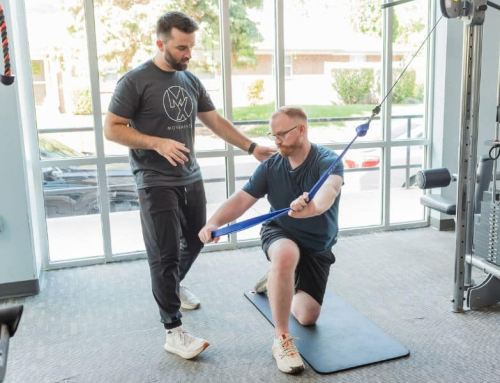
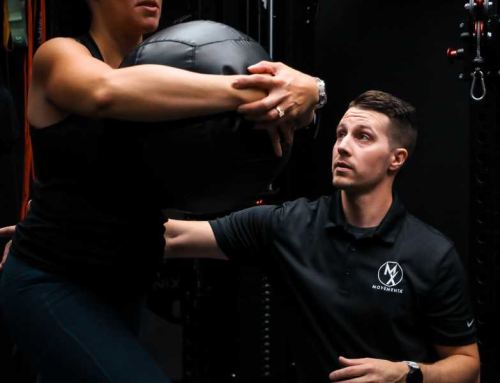
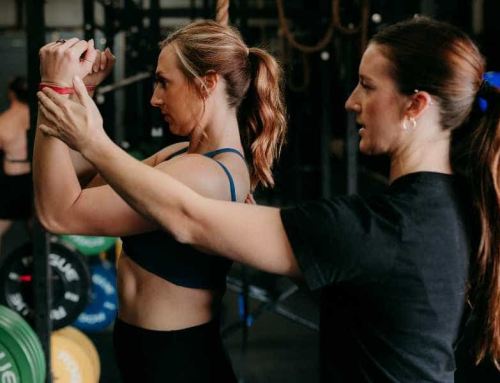
Physical therapists are functional movement experts. We look at how your body moves, how it responds to activity, and then identify what might be limiting your recovery; whether that’s mobility, strength, or movement patterns.
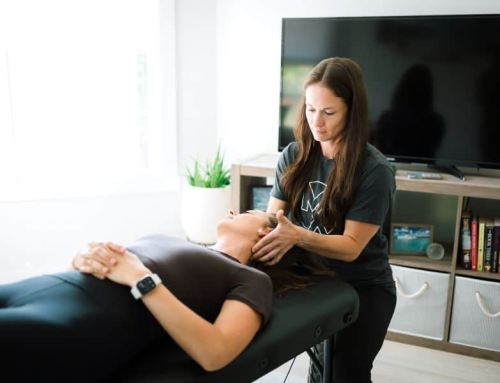
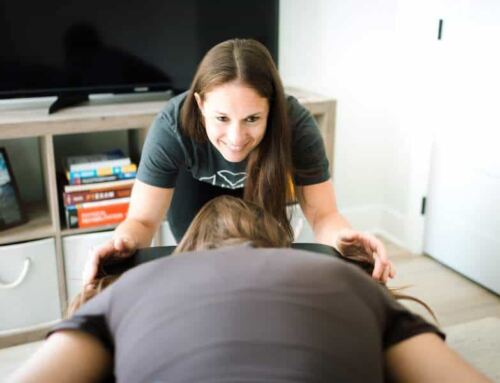
From there we build a plan that fits your goals and lifestyle. That might include targeted exercises, adjustments to your current routine, manual therapy techniques to improve circulation and regain mobility, and provide strategies to keep you active even when something feels off.
We also help you avoid the “all or nothing” trap, where you either push through pain or stop completely. In most cases, there’s a smarter middle ground and we can help you find it.
A Simple Way to Think About Recovery
So after your next workout, ask yourself:
- What did I challenge today?
- What does my body need to recover from that?
- What’s one small thing I can do to help that process?
It doesn’t need to be complicated, it just needs to happen.
If Mr. Brady taught us anything, it’s that longevity comes down to what you do between workouts. You don’t need his routine. You just need his mindset.
The goal isn’t just to stay active today, it’s to still be doing the things you love 10, 20, 30 years from now.
And that all starts with how well you recover.
References
- American College of Sports Medicine. (2021). ACSM’s guidelines for exercise testing and prescription (11th ed.). Wolters Kluwer.
- Brady, T. (2017). The TB12 method: How to achieve a lifetime of sustained peak performance. Simon & Schuster.
- Brooks, G. A. (1985). The lactate shuttle during exercise and recovery. Medicine & Science in Sports & Exercise, 18(3), 360–368.
- Cheung, K., Hume, P., & Maxwell, L. (2003). Delayed onset muscle soreness: Treatment strategies and performance factors. Sports Medicine, 33(2), 145–164. https://doi.org/10.2165/00007256-200333020-00005
- Chodzko-Zajko, W. J., Proctor, D. N., Fiatarone Singh, M. A., Minson, C. T., Nigg, C. R., Salem, G. J., & Skinner, J. S. (2009). Exercise and physical activity for older adults. Medicine & Science in Sports & Exercise, 41(7), 1510–1530. https://doi.org/10.1249/MSS.0b013e3181a0c95c
- Cook, J. L., & Purdam, C. R. (2009). Is tendon pathology a continuum? A pathology model to explain the clinical presentation of load-induced tendinopathy. British Journal of Sports Medicine, 43(6), 409–416. https://doi.org/10.1136/bjsm.2008.051193
- Damas, F., Phillips, S. M., Vechin, F. C., & Ugrinowitsch, C. (2016). A review of resistance training–induced changes in integrated myofibrillar protein synthesis and their contribution to hypertrophy. The Journal of Physiology, 594(18), 5209–5222. https://doi.org/10.1113/JP272472
- Gabbett, T. J. (2016). The training–injury prevention paradox: Should athletes be training smarter and harder? British Journal of Sports Medicine, 50(5), 273–280. https://doi.org/10.1136/bjsports-2015-095788
- Hodges, P. W., & Tucker, K. (2011). Moving differently in pain: A new theory to explain the adaptation to pain. Pain, 152(3), S90–S98. https://doi.org/10.1016/j.pain.2010.10.020
- Malliaras, P., Barton, C. J., Reeves, N. D., & Langberg, H. (2015). Patellar tendinopathy: Clinical diagnosis, load management, and advice for challenging case presentations. British Journal of Sports Medicine, 49(19), 1270–1278. https://doi.org/10.1136/bjsports-2014-094353
- Moseley, G. L. (2007). Reconceptualising pain according to modern pain science. Physical Therapy Reviews, 12(3), 169–178. https://doi.org/10.1179/108331907X223010
- National Institute on Aging. (2020). Exercise and physical activity: Your everyday guide from the National Institute on Aging. U.S. Department of Health & Human Services. https://www.nia.nih.gov/health/exercise-physical-activity
- Schoenfeld, B. J. (2010). The mechanisms of muscle hypertrophy and their application to resistance training.
About the Author

Dr. Erik Meeker is a Board Certified Orthopedic Clinical Specialist and physical therapist based in Duluth, Georgia. He treats a diverse range of patients, including athletes, weightlifters, weekend warriors, and active adults managing orthopedic conditions or chronic pain. Erik combines his advanced residency training in manual therapy with personalized exercise programs to optimize recovery and help you confidently return to an active, fulfilling life.
Share This Page
Related Resources
Found this page interesting? Discover more insightful resources below.