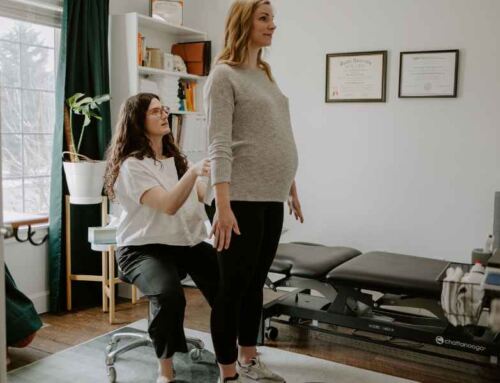



Whether planned or an emergency, a C-section is a big deal. Waves of pain, wondering how you are going to care for your baby and yourself while still recovering from a major surgery. 1.27 million c-sections are performed annually in the US (1), meaning 1.27 million women who will potentially face challenges in recovery.
6-18% of the 1.27 million will face chronic pain from their C-section scar (1). Many new moms will go home from the hospital not knowing the resources or support that are out there to help them recover physically, mentally, and emotionally. I have seen new moms from close family/friends to patients struggle with feeling like they have to figure everything out by themselves because they were never given the support from their doctor of their resources for postpartum care from the beginning.
As a pelvic floor physical therapist, I educate and help as many mothers in their postpartum journey as I can. You don’t need to struggle with the pain, weakness, and worries of how you’re going to take care of yourself. Here’s how.
Your C-Section is a Big Deal
I’ve heard countless patients of mine say things like:
- “I didn’t give birth vaginally, so I don’t have pelvic floor issues”
- “My doctor told me I should be fine after 8 weeks to return to my HIIT and running classes”
- “I have pain along my c-section scar but everyone just tells me it’s normal”
When it comes to postpartum recovery, what’s considered “normal” is outdated. Let’s update our viewpoint. A C-section is a big deal because that single scar line only tells one part of the story.
It’s the biggest myth that having a c-section means you won’t have pelvic floor impairments. Your pelvic floor is directly correlated with your core/abdominal muscles. The core and pelvic floor work closely together to function correctly, and if one of those muscles is impaired in any way the other muscle is going to be impaired as well. After 9 months of supporting you and your baby and after having extensive surgery to bring your child into this world, your pelvic floor is going to need some care.
Deep down there are 7 layers that have also been cut through to help reach the baby. Those layers consist of skin, fat tissue, fascia, abdominal muscle, peritoneum, uterus, and then the amniotic sac. Then the layers are repaired with stitches and/or staples after the baby is delivered.
After the closure is performed, the body starts to heal. During that healing process, the body will begin forming the scar tissue and the tissue that supports it.
As the scar tissue forms, it develops on the multiple layers that were operated on. This is where scar tissue can do more harm than good. If the scar tissue starts to heal incorrectly, it can adhere to different fascial/muscle layers or even your bladder, uterus or rectum which can lead to pain and difficulty with functional daily activities. And this is where physical therapy can help.
How Does Pelvic Floor Physical Therapy Help?
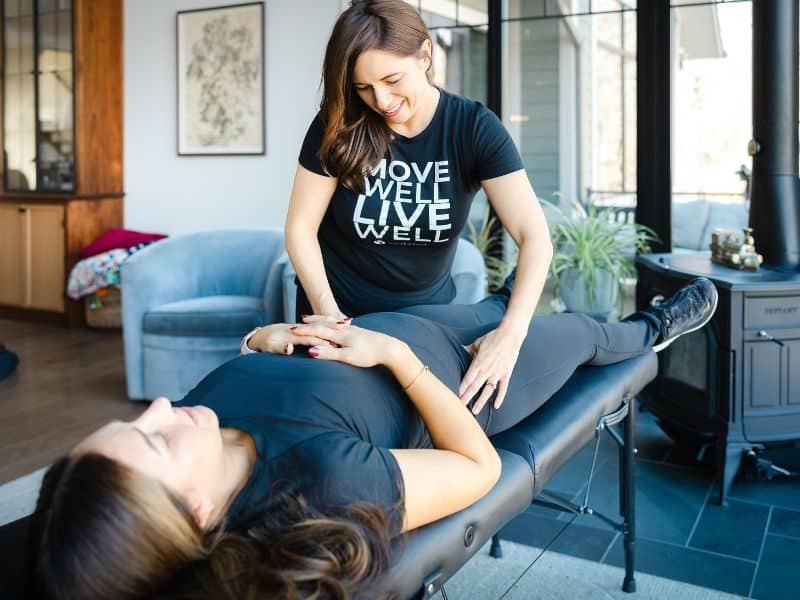
A physical therapist specializing in pelvic floor is trained in various techniques to support muscle recovery such as soft tissue mobilization, myofascial mobilization and scar tissue mobilization to help address tightness and pain.
That pain you feel in your c-section scar is not “normal” or a right of passage into motherhood. It’s a sign the scar tissue is too tight and adhering to your muscles and fascia, causing your muscles to not stretch properly. Proper soft tissue mobilization of your scar can greatly improve the mobility and allow you to move without pain.
Studies showed that soft tissue mobilization techniques were an effective way of reducing pain and also a cost effective treatment for those with chronic c-section pain (1). “Studies also showed there is a decreased ability to contract deep abdominal muscles in postpartum” (2).
It is theorized that due to the baby growing and the abdominal wall muscles being stretched along with the muscles being cut during a C-section, it makes it hard for the mind-body connection to help re-engage the core again.
A pelvic floor therapist will address the abdominal weakness and help build the mind body connection to strengthen your core, along with your hips, pelvic floor, and low back, so you can get back to the activities you love pain-free.
A study showed that postpartum moms saw a significant improvement in decreased pain, exercise tolerance, decreased low back pain, and patient satisfaction with their postpartum recovery (3). Additional benefits of seeing a pelvic floor therapist during postpartum recovery are improving scar tissue mobility, core engagement, lumbar/thoracic mobility, pelvic floor muscle engagement, and pain management/relief.
Starting as soon as 6-8 weeks postpartum, seeking out a pelvic floor therapist can drastically improve your recovery.
After starting pelvic floor therapy, it’s possible to notice improvement in c-section scar mobility as soon as 12 weeks postpartum, and improvement in core activation and hip strength/stabilization by 14-16 weeks postpartum. Return to exercises and physical activity can happen as early as 18 weeks postpartum with the proper care and consistency.
The earlier in your recovery you seek support from a pelvic floor therapist, the better outcomes you will see.
When to Reach Out
After you’re cleared by your doctor to return to physical activity, don’t jump the gun and go straight into intense exercises. Just like any athlete returning to their sport, there’s a slow process to return to your pre-pregnancy activity level while avoiding soft tissue/joint injuries, prolapses, urinary incontinence, and pain.
Speaking with or seeing a pelvic floor therapist prior to returning to your physical activities can ensure that you are strong and your muscles are coordinating to provide stabilization and support with your exercises.
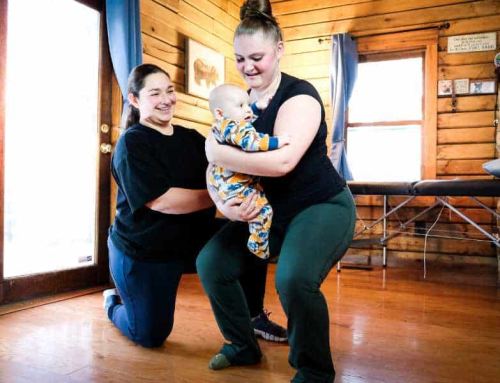
Any physical therapist specializing in pelvic health is a great place to start. As a provider with MovementX, I come to your house for 1 hour long sessions and treat you in the comfort of your home.
No hassle of trying to figure out the naptime math and packing a diaper bag. Our model means to reduce stress of scheduling your session so you can focus on the most important thing: yourself.
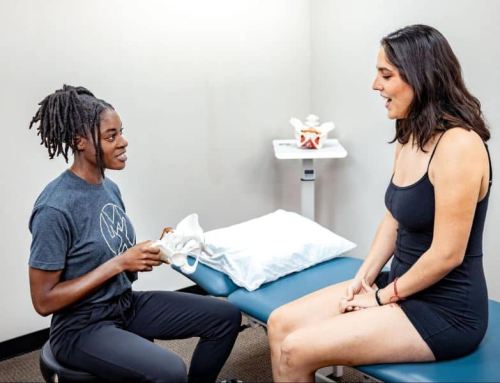
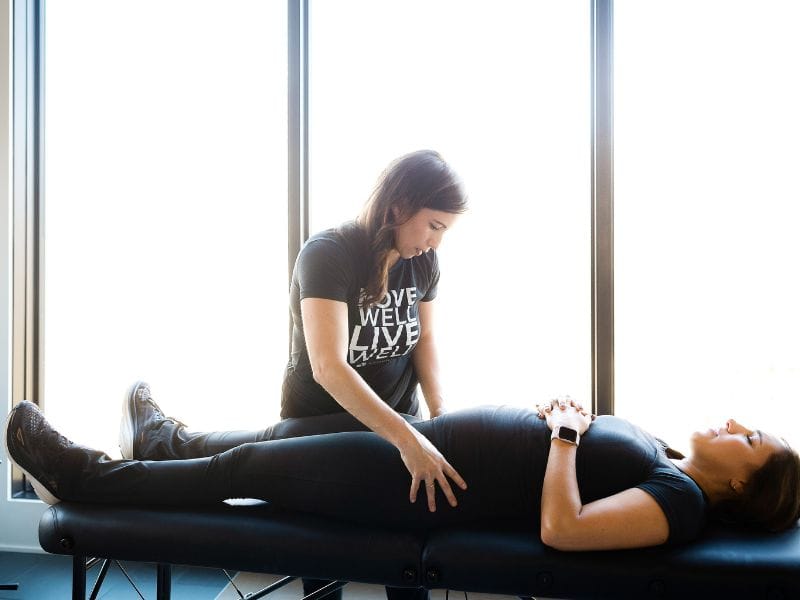
The first session with me consists of an evaluation to talk about the symptoms you’re experiencing, your muscle strength, your flexibility/mobility and most importantly discussing your goals for PT.
We also do an internal assessment (as long as you’re clear by your doctor and feel comfortable) to assess your pelvic floor muscles and see how your muscles are coordinating for relaxation and strengthening.
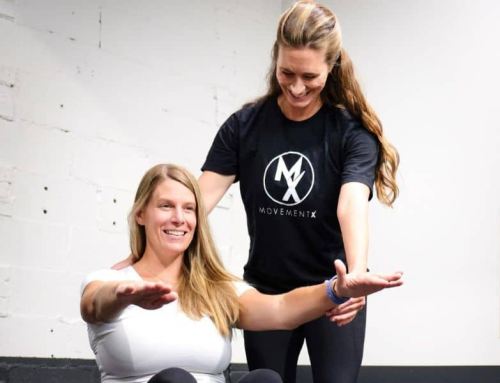
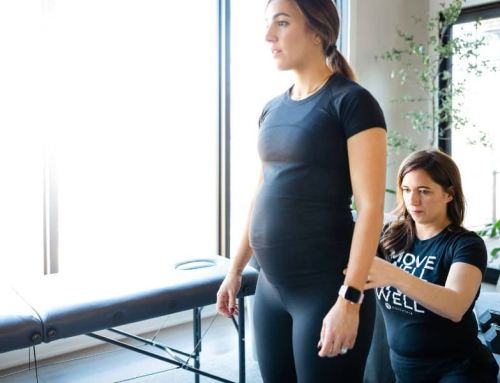
From there on, each session is a mixture of skill manual techniques to help reduce fascial tension, improve c-section mobility and decrease muscle tightness followed up by strengthening, endurance, stabilization and coordination exercises to get you back to where you want to be!
Each treatment plan is personalized to your needs and your goals. Whether it be returning to running, lifting, work or simply being able to pick up your baby, your care is built around your life.
So if you’re scrolling for answers at 3 am, trying to figure out if the…
- Numbness/burning sensation along your c-section scar
- Urinary leakage that occurs with sneezing
- Pain with sexual intercourse
- Low back pain with picking your newborn
- The “conning” you see when activating your abs
- The pain you feel when trying to stand up straight
All are normal. You’re trying to make sense of the changes your body has been through. You don’t need to figure it all out by yourself.
If you have questions, reach out to me here. I’m happy to help you plan the next best steps in your postpartum journey.
References
- Wasserman, Jennifer B. DPT, PhD1; Abraham, Karen PT, PhD2; Massery, Mary DPT, DSC3; Chu, Jennifer PT, MS, WCS4; Farrow, Alicia DPT5; Marcoux, Beth C. DPT, PhD6. Soft Tissue Mobilization Techniques Are Effective in Treating Chronic Pain Following Cesarean Section: A Multicenter Randomized Clinical Trial. Journal of Women’s Health Physical Therapy 42(3):p 111-119, September/December 2018. | DOI: 10.1097/JWH.0000000000000103
- Brizzolara, Kelli J. PT, PhD, OCS1; Wang-Price, Sharon PT, PhD, OCS, COMT, FAAOMPT1; Zafereo, Jason PT, PhD, OCS, FAAOMPT2. Assessment of Abdominal Muscle Thickness in Postpartum Women Who Have Undergone Cesarean Delivery as Compared With Vaginal Births: A Pilot Study. Journal of Women’s Health Physical Therapy 43(1):p 22-27, January/March 2019. | DOI: 10.1097/JWH.0000000000000113
- Stone, Jennifer DPT, OCS, PHC1; Skibiski, Katie DPT, PHC1; Hwang, Sarah MD2; Barnes, Courtney MPH, MD, FACOG1. Physical Therapy in Addition to Standard of Care Improves Patient Satisfaction and Recovery Post-cesarean Section. Journal of Women’s Health Physical Therapy 45(1):p 10-19, January/March 2021. | DOI: 10.1097/JWH.0000000000000187
About the Author

Dr. Laura Garrison is a physical therapist and pelvic health specialist serving Haymarket, VA and the surrounding areas. She treats a wide range of conditions including pelvic floor dysfunction, pregnancy and postpartum recovery, and orthopedic injuries in recreational athletes.
Share This Page
Related Resources
Found this page interesting? Discover more insightful resources below.