


Chronic low back pain is often treated as a local problem. Something wrong with the lumbar spine, discs, muscles, or joints. But for many people, especially those with persistent or unexplained symptoms, the source of pain may not be confined to the low back at all.
One commonly overlooked contributor is abdominal fascial restriction. The abdomen is not just a container for organs, it is a dynamic, pressure-regulating, force-transmitting region that directly influences the spine, ribs, hips, pelvic floor, breathing, and even the neck and jaw. When fascial mobility in this region is compromised, the body adapts in ways that can drive chronic pain far beyond the abdomen itself.
This article explores how abdominal fascial restrictions can contribute to chronic low back pain and why symptoms often extend to the ribs, thoracic spine, hips, neck, jaw, and even bowel and bladder function. We’ll also discuss how physical therapy, including fascial-informed and, in some cases, visceral approaches, can help restore movement and teach you how to support your body long-term.
Understanding Fascia: The Missing Link in Chronic Pain
Fascia is a continuous, three-dimensional connective tissue system that surrounds and interconnects muscles, organs, nerves, blood vessels, and bones. Rather than acting as isolated sheets, fascial layers glide, transmit force, and adapt to movement and load.
In the abdomen, fascia:
- Suspends and supports internal organs
- Transmits forces between the ribcage, spine, pelvis, and hips
- Plays a key role in intra-abdominal pressure and spinal stability
- Interfaces directly with the nervous system
When abdominal fascia loses its ability to glide—due to injury, surgery, inflammation, chronic guarding, or systemic conditions—it can create tension patterns that pull on distant regions of the body. Low back pain is often one of the first areas to feel the effects.
Why the Abdomen Matters for Low Back Health
The lumbar spine does not function independently. It relies on coordinated support from:
- The diaphragm above
- The pelvic floor below
- The abdominal wall and visceral support system
- The thoracolumbar fascia in the back
Together, these structures form a pressure system that stabilizes the spine during movement.
When abdominal fascial mobility is restricted:
- Pressure regulation becomes inefficient
- Muscles compensate by over-gripping
- The lumbar spine may experience increased shear and compression
Over time, this can lead to chronic low back pain that does not respond well to traditional strengthening or stretching approaches.
Common Causes of Abdominal Fascial Restriction
Abdominal fascial restrictions can develop from a wide range of experiences, including:
- Abdominal or pelvic surgery (C-sections, appendectomy, hysterectomy, hernia repair)
- Chronic digestive issues (bloating, constipation, IBS)
- Pregnancy and postpartum changes
- Trauma or injury (including falls or car accidents)
- Chronic stress and nervous system dysregulation
- Inflammatory or connective tissue conditions
Importantly, restrictions do not always correlate with visible scarring or imaging findings.
How Abdominal Restrictions Can Drive Low Back Pain
1. Altered Load Transfer
Restricted fascia limits how forces move between the ribcage and pelvis. The lumbar spine often absorbs excess load as a result, leading to:
- Persistent muscle tightness
- Facet joint irritation
- Disc sensitivity
2. Protective Muscle Guarding
When internal tissues feel threatened or immobile, the nervous system increases muscle tone around the area. This guarding can:
- Reduce spinal movement variability
- Increase fatigue
- Create a sensation of stiffness rather than true instability
3. Disrupted Breathing Mechanics
Abdominal restrictions often interfere with diaphragmatic movement. Poor pressure regulation during breathing can increase spinal load during everyday activities such as sitting, lifting, or walking.
Why Symptoms Often Extend Beyond the Low Back
Because fascia is continuous, restrictions in the abdomen rarely stay local.
Rib and Thoracic Pain
Abdominal fascia connects directly to the diaphragm and lower ribs. Restrictions may contribute to:
- Rib pain or “catching”
- Thoracic stiffness
- Pain with deep breathing or rotation
Hip and Pelvic Pain
Visceral and abdominal fascia interface with the iliopsoas, pelvic floor, and hip capsule. This can drive:
- Anterior hip pain
- Pelvic asymmetry
- Difficulty stabilizing during gait
Neck and Jaw Pain
Fascial tension patterns can ascend through the diaphragm, mediastinum, and cervical fascia, contributing to:
- Neck stiffness
- Headaches
- Jaw clenching or TMJ symptoms
These patterns are especially common in individuals with heightened nervous system sensitivity.
Bowel and Bladder Symptoms: An Overlooked Clue
Many people with chronic low back pain also experience bowel or bladder symptoms, such as:
- Constipation or incomplete emptying
- Urinary urgency or frequency
- Difficulty coordinating pelvic floor relaxation
Abdominal fascial restriction can:
- Limit organ mobility
- Alter pelvic floor coordination
- Increase autonomic nervous system activation
These symptoms are often dismissed as unrelated, but they frequently share a mechanical and neurological link.
The Connection to Hypermobility and EDS
Individuals with hypermobility or Ehlers-Danlos syndromes (EDS) are particularly vulnerable to abdominal fascial dysfunction.
Contributing factors include:
- Reduced connective tissue stiffness requiring greater neuromuscular control
- Increased reliance on fascial tension for stability
- Higher prevalence of GI and autonomic symptoms
In these populations, abdominal restrictions may coexist with joint hypermobility—creating a confusing combination of stiffness and instability. Treating only the spine or joints often fails to address the underlying driver.
Why Traditional Core Strengthening Often Falls Short
Many people with abdominal fascial restrictions are prescribed aggressive core strengthening or bracing exercises. While well-intentioned, these approaches can:
- Increase internal pressure without restoring tissue mobility
- Worsen digestive symptoms
- Reinforce protective guarding patterns
True stability requires mobility, coordination, and pressure regulation, not constant tension.
How Physical Therapy Can Help
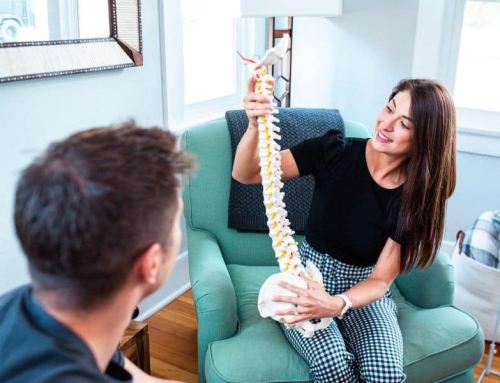
A skilled physical therapist with training in fascial-informed and whole-body approaches evaluates how your abdomen moves—not just how strong it is.
Assessment may include:
- Breathing and pressure strategies
- Abdominal wall and fascial mobility
- Rib, thoracic, and pelvic coordination
- Nervous system tone and recovery capacity
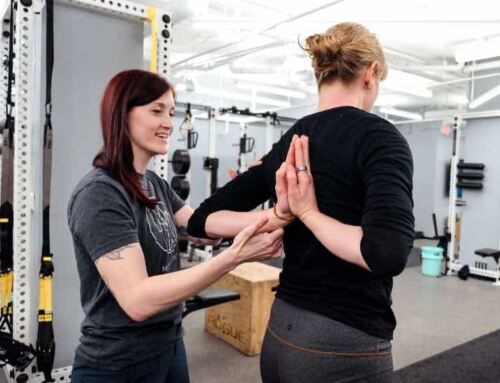
Depending on training, findings, and patient presentation, treatment may include:
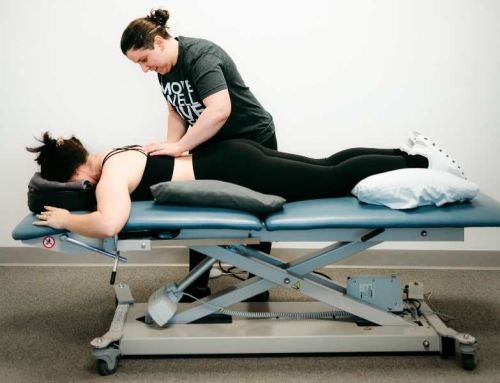
- Gentle abdominal or fascial release
- Rib and thoracic mobility work
- Pressure-regulating movement retraining
- Nervous system downregulation strategies
These techniques are subtle, patient-guided, and respectful of tissue sensitivity.
Important Clarification: Visceral Work Is Specialized
Not all physical therapists are trained in visceral mobilization, and visceral techniques are not appropriate or necessary for every individual with low back pain.
Abdominal fascial restriction can often be addressed through:
- Breathing and pressure-management strategies
- Rib, thoracic, and pelvic coordination
- Nervous system regulation
- Movement retraining that reduces guarding
In some cases, direct abdominal or visceral manual therapy may be helpful, particularly when symptoms include digestive dysfunction, unexplained pressure sensitivity, or persistent pain that has not responded to conventional approaches. These techniques require additional post-graduate training and careful clinical reasoning.
A responsible provider will always assess whether visceral or fascial techniques are indicated—and will collaborate or refer out when they are not within their scope.
Learning to Support Your Body at Home
One of the most important roles of physical therapy is teaching you how to maintain progress outside the clinic.
This may include:
- Self-mobilization techniques for the abdomen
- Breathing strategies to reduce spinal load
- Movement patterns that restore variability
- Awareness of early warning signs of guarding
The goal is not dependence on manual therapy, but self-efficacy.
A Whole-Body Perspective on Chronic Pain
If you’ve been told your imaging is “normal” but your pain persists, abdominal fascial restriction may be part of the missing explanation.
Chronic low back pain is rarely just a spine problem. It is often the result of how the body adapts to restriction, stress, and altered load over time.
Addressing the abdomen—along with the nervous system and movement patterns—can unlock progress where other approaches have stalled.
How We Approach This at MovementX
At MovementX, we specialize in working with complex, persistent pain presentations, including chronic low back pain, digestive symptoms, hypermobility, and nervous system sensitivity.
Our approach integrates:
- Fascial-informed manual therapy when appropriate
- Movement retraining rooted in pressure regulation and coordination
- Education to help you understand why your body responds the way it does
Visceral and abdominal fascial techniques are used selectively, based on individual assessment findings—not as a one-size-fits-all solution.
If you suspect your low back pain may be influenced by abdominal, systemic, or nervous system factors, a comprehensive whole-body evaluation can provide clarity—and a path forward.
About the Author

Dr. Morgan Knapp (formerly Morgan Stewart) is a Doctor of Physical Therapy based in Bend, Oregon. She cherishes the opportunity to connect deeply with her patients and empower them to take control of their health and achieve their unique goals. Whether you’re dealing with chronic pain, injuries, balance issues, dizziness or other complex conditions like hypermobility or lymphedema, Morgan is here to help you get back to doing what you love.
Share This Page
Related Resources
Found this page interesting? Discover more insightful resources below.