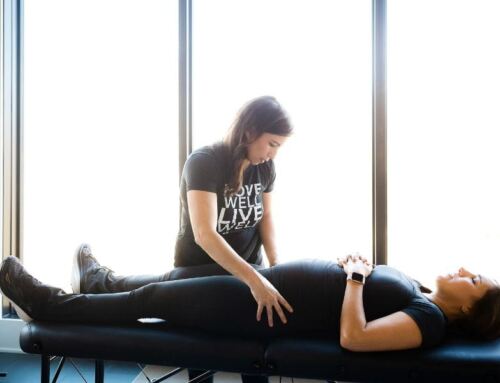



You’re pregnant and thinking about what lies ahead. Maybe you’re wondering, “What can I actually do to prepare for labor?” or “How can I avoid complications during delivery?” These are questions so many expecting parents ask, especially first-time moms who want to feel empowered rather than anxious about the big day. The truth is, preparing for labor and delivery is just as important as preparing for any major athletic event, and yes, birth absolutely qualifies as one!
Just like you wouldn’t run a marathon without training, you shouldn’t go into labor without preparing your body. Seeing a pelvic floor physical therapist for “labor prep” can help you achieve a successful delivery, reduce your risk of perineal tearing, decrease the likelihood of needing forceps or vacuum assistance, and shorten the pushing stage. Most importantly, it can significantly reduce your risk of developing pelvic floor dysfunction afterward, meaning fewer problems with urinary incontinence, pelvic organ prolapse, and other uncomfortable symptoms that can impact your quality of life postpartum.
This article will walk you through exactly how pelvic floor physical therapy can help you prepare your body for one of the most important events of your life.
Getting Your Baseline Assessment: Know Where You’re Starting
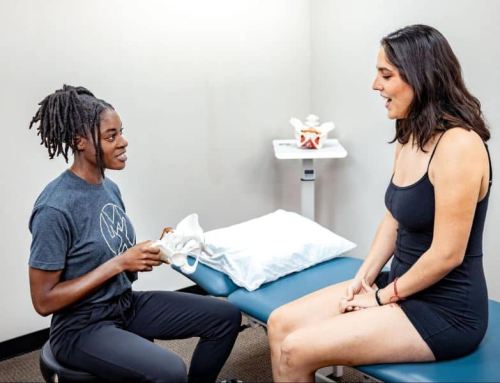
Before you can effectively prepare for labor, you need to know what you’re working with. A pelvic health physical therapist will conduct a comprehensive baseline assessment of your pelvic floor, core, and surrounding muscles to understand their coordination and strength. Think of this as your “before” picture, it gives us a clear snapshot of your body’s current state.
Why does this matter? Because after labor and delivery, we can compare your postpartum assessment to this baseline to identify exactly what has changed and which areas need focused attention during your recovery. This personalized approach helps you get back to your pre-pregnancy function more effectively rather than guessing what might need work.
What a Baseline Assessment Includes
Your physical therapist will evaluate:
- Pelvic floor muscle strength, coordination, and endurance
- Core muscle function and abdominal wall integrity
- Hip, back, and pelvic range of motion
- Movement patterns and any mobility deficits
- Areas of muscle tension or weakness
This comprehensive picture allows your PT to create a customized preparation plan specific to your body’s needs.
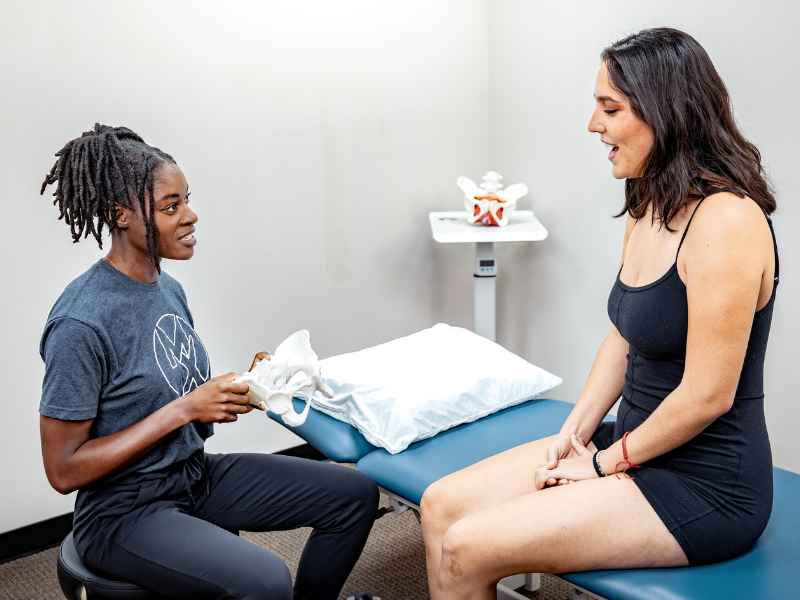
Optimizing Mobility for Easier Delivery
Your back, hips, and pelvis need to move freely to allow for easy passage of your baby through the birth canal. During pregnancy, postural changes and the growing baby can create restrictions in these areas that might complicate delivery if left unaddressed.
A pelvic floor physical therapist will assess your mobility in these key areas and identify any limitations that could be a factor during labor. Research shows that maternal mobility during labor is associated with better outcomes, including shorter labor duration and reduced need for interventions.
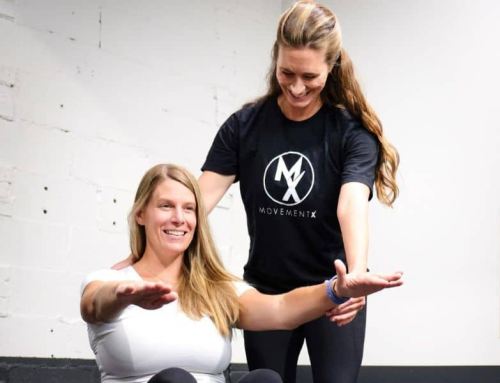
We’ll work on exercises and manual therapy techniques to improve your range of motion, ensuring your pelvis has the flexibility it needs when it’s time for baby to make their entrance.
Practicing Birth Positions That Work for YOUR Body
Not all birth positions work well for every body, and this is where personalized preparation becomes crucial. Your physical therapist can help you practice different labor and delivery positions based on your unique history and any previous injuries or pain patterns.
For example:
History of SI joint dysfunction? Laboring on your back where that joint can’t move freely might increase your risk of injury. Positions like hands and knees (quadruped) might be a better option for you.
Previous hip pain? Pushing with your knees pulled to your chest might exacerbate that discomfort. Pushing on your side with your leg supported could be a safer alternative.
Early labor? Asymmetrical rocking positions can help with the baby’s descent into the pelvic inlet.
Late stage labor? Hands and knees with hip internal rotation creates more space for baby to pass through the pelvic outlet.
Research has demonstrated that upright and gravity-neutral positions during the second stage of labor can shorten pushing time and improve outcomes. Knowing which positions are in your “toolbox” before game day gives you confidence and options when you’re in the moment.
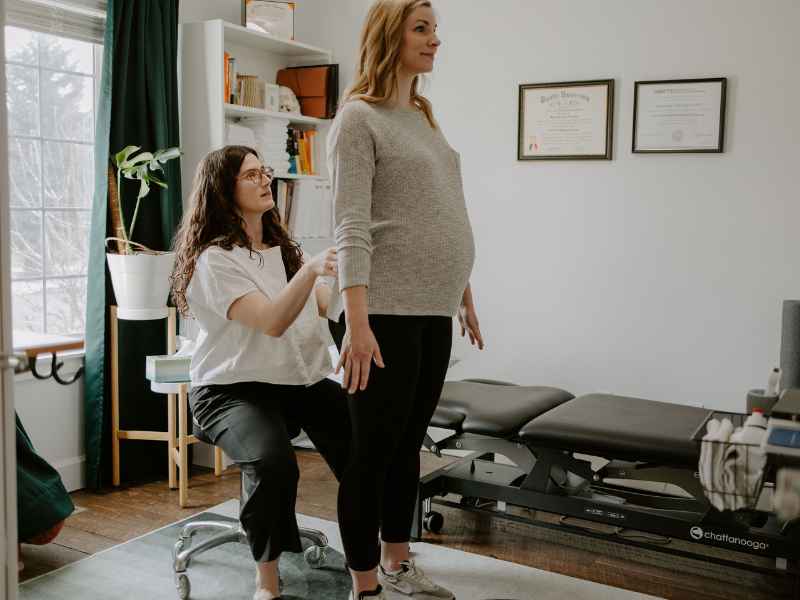
Learning Perineal Massage Techniques
One of the most evidence-based interventions you can do to reduce your risk of severe perineal tearing is perineal massage, starting around 35 weeks of pregnancy. The American College of Obstetricians and Gynecologists recognizes perineal massage as an effective technique for preventing high-degree lacerations.
Your pelvic floor physical therapist will teach you:
- Proper massage techniques and hand positioning
- Which tools can assist with the process
- How often and how long to perform the massage
- What sensations are normal vs. concerning
This simple practice, done consistently in late pregnancy, has been shown to reduce the risk of 3rd and 4th degree perinatal lacerations, the kind that can lead to long-term complications.
Pelvic Floor Relaxation: The Other Side of the Coin
When people think of pelvic floor preparation, they often jump straight to Kegels and strengthening exercises. While pelvic floor strength is important, during late pregnancy and delivery, your pelvic floor needs to do the opposite. relax and lengthen to allow baby to pass through.
Your physical therapist will teach you specific exercises to practice pelvic floor relaxation and lengthening:
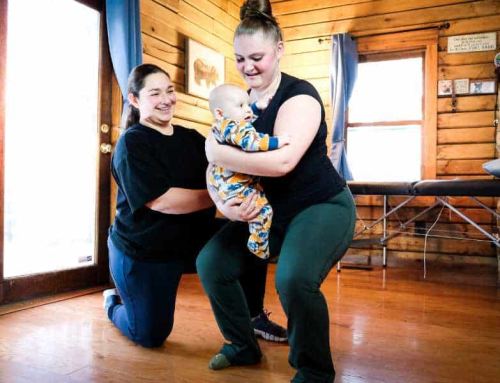
- Deep squatting positions
- Breathing techniques that encourage pelvic floor release
- Hip rotation exercises that create space in the pelvis
- Body awareness exercises to connect with your pelvic floor muscles
Learning to consciously relax these muscles when needed is just as important as being able to contract them. This skill becomes essential during the pushing stage of labor.
Practicing Your Pushing Technique
Here’s something many people don’t realize: pushing during delivery is a skill that benefits from practice. Just like any athletic movement, the more you practice, the more effective and efficient you become.
Your physical therapist will guide you through:
- Effective pushing strategies
- Pelvic floor relaxation during pushing
- Coordinating breath with pushing efforts
- Open glottis pushing techniques
Research suggests that the type of pushing technique used during delivery can influence pelvic floor outcomes. Open glottis pushing (pushing while breathing out rather than holding your breath) has been associated with reduced tearing, less strain on pelvic floor muscles, and decreased injury risk.
Practicing these techniques before labor means you’ll have muscle memory to draw on when you’re in the intensity of delivery, potentially shortening the pushing stage and reducing the risk of pelvic organ prolapse down the line.
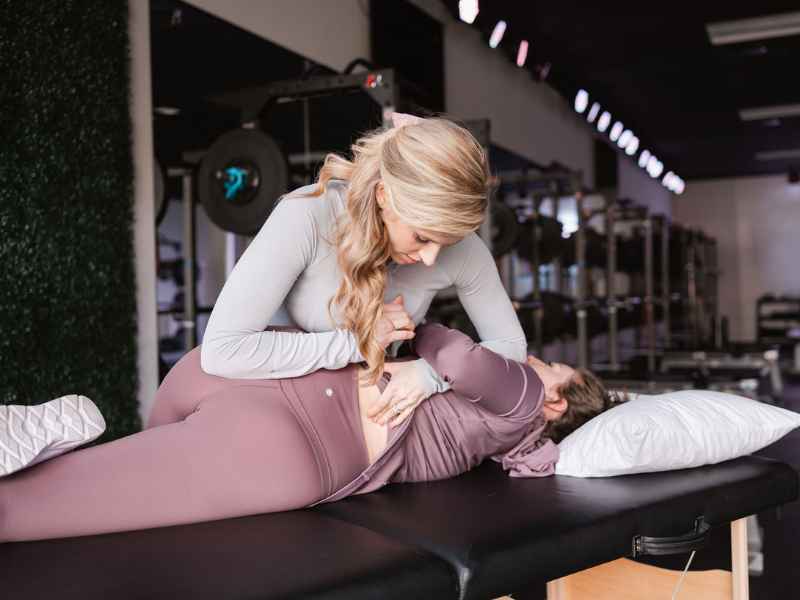
Addressing Pain and Discomfort During Late Pregnancy
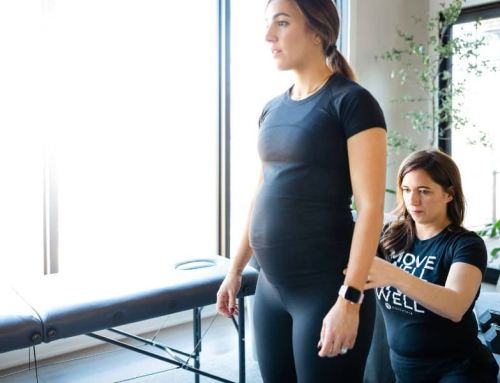
Let’s face it, late pregnancy can be uncomfortable. Postural changes to accommodate your growing baby can contribute to muscle strain, low back pain, and pelvic discomfort. A pelvic floor physical therapist can work on any soft tissue restrictions and muscle imbalances that are causing you pain.
Through manual therapy techniques, targeted exercises, and postural education, your PT can help you:
- Reduce musculoskeletal pain
- Improve muscle balance
- Enhance overall comfort as you approach delivery
- Maintain better function during daily activities
Going into labor feeling physically comfortable and balanced, rather than in pain, can make a significant difference in your birth experience.
Conclusion
Preparing for labor and delivery isn’t just about reading books and packing your hospital bag. Your body is about to do something extraordinary, and just like training for any major physical event, preparation matters. Seeing a pelvic floor physical therapist before delivery can help you:
- Understand your body’s baseline function
- Optimize mobility in key areas needed for birth
- Learn birth positions that work best for your body
- Reduce your risk of severe tearing through perineal massage
- Master pelvic floor relaxation and pushing techniques
- Address pain and discomfort during late pregnancy
All of these benefits add up to a more confident, empowered birth experience and a lower risk of pelvic floor dysfunction afterward, meaning better long-term health outcomes for you.
So here’s the question: If you were training for a marathon, would you show up on race day without any preparation? Your body deserves the same dedicated training for labor and delivery. What steps will you take today to prepare for your big day?
Ready to start your labor prep journey? Contact me or another pelvic floor physical therapist in your area to schedule your baseline assessment. Your future self will thank you.
References
- Berta M, Lindgren H, Christensson K, Mekonnen S, Adefris M. Effect of maternal birth positions on duration of second stage of labor: systematic review and meta-analysis. BMC Pregnancy Childbirth. 2019;19(1):466. doi: 10.1186/s12884-019-2620-0
- Lawrence A, Lewis L, Hofmeyr GJ, Styles C. Maternal positions and mobility during first stage labour. Cochrane Database Syst Rev. 2013;2013(10). doi: 10.1002/14651858.CD003934.pub4
- American College of Obstetricians and Gynecologists. Obstetricians and gynecologists can prevent and manage obstetric lacerations during vaginal delivery. News release. June 2016. https://www.acog.org/news/news-releases/2016/06/obgyns-can-prevent-and-manage-obstetric-lacerations-during-vaginal-delivery-says-new-acog-practice-bulletin
- Barasinski C, Debost-Legrand A, Savary D, et al. Does the type of pushing at delivery influence pelvic floor function at 2 months postpartum? A pragmatic randomized trial-The EOLE study. Acta Obstet Gynecol Scand. 2023;102(1):67-75. doi: 10.1111/aogs.14461
About the Author

Kaylene Hernandez, PT, DPT is a doctor of physical therapy proudly serving Northwest Indianapolis specialized in pelvic health across the lifespan. Her advanced training covers male and female pelvic floor dysfunction, pediatric pelvic health, oncology rehabilitation, lymphedema, and dry needling. With an approach to care that is to listen deeply, treat holistically, and empower constantly, Dr. Hernandez is committed to helping you thrive in every season of life.
Share This Page
Related Resources
Found this page interesting? Discover more insightful resources below.